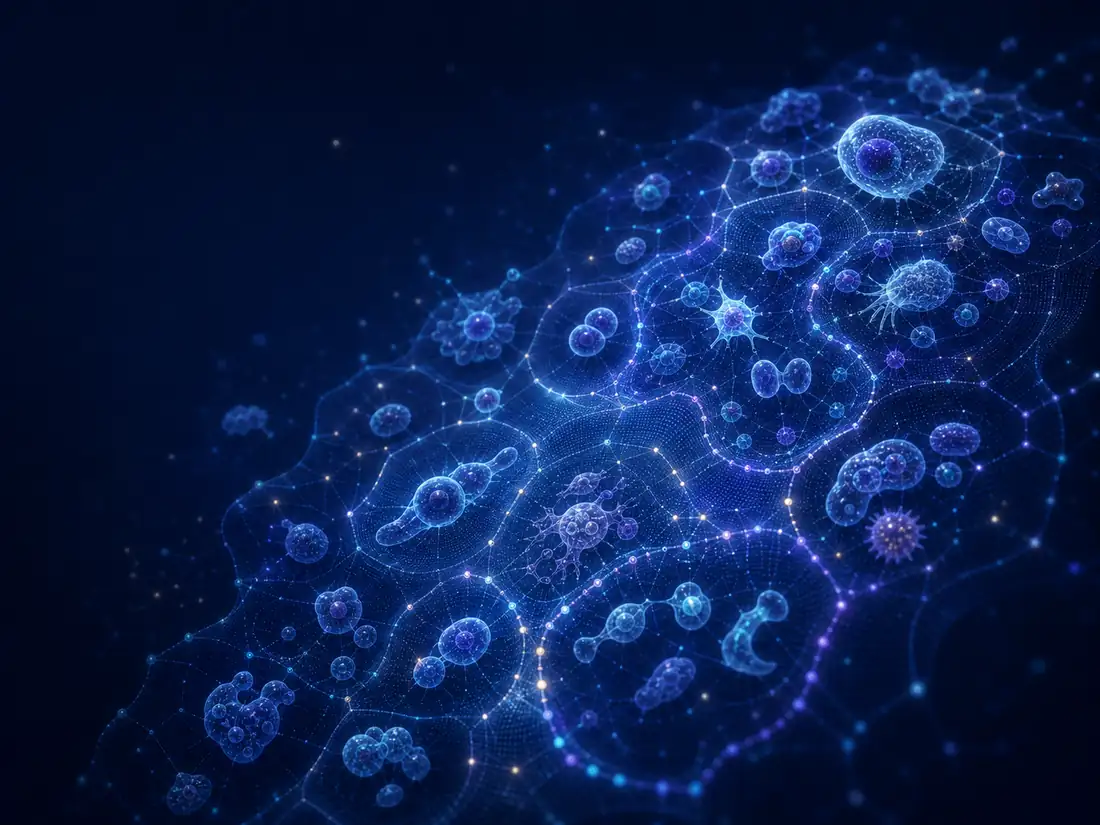
01 / FOUNDATION MODELS
Single-cell foundation models
Learning transferable representations from large, diverse single-cell collections without mistaking batch, technology or annotation bias for biology.
RESEARCH AGENDA
Biological questions define our computational tasks; testability constrains our models. The AI4SC agenda connects representation, integration, intervention and transcript-level mechanisms across datasets and experimental contexts.
Learning transferable representations from large, diverse single-cell collections without mistaking batch, technology or annotation bias for biology.
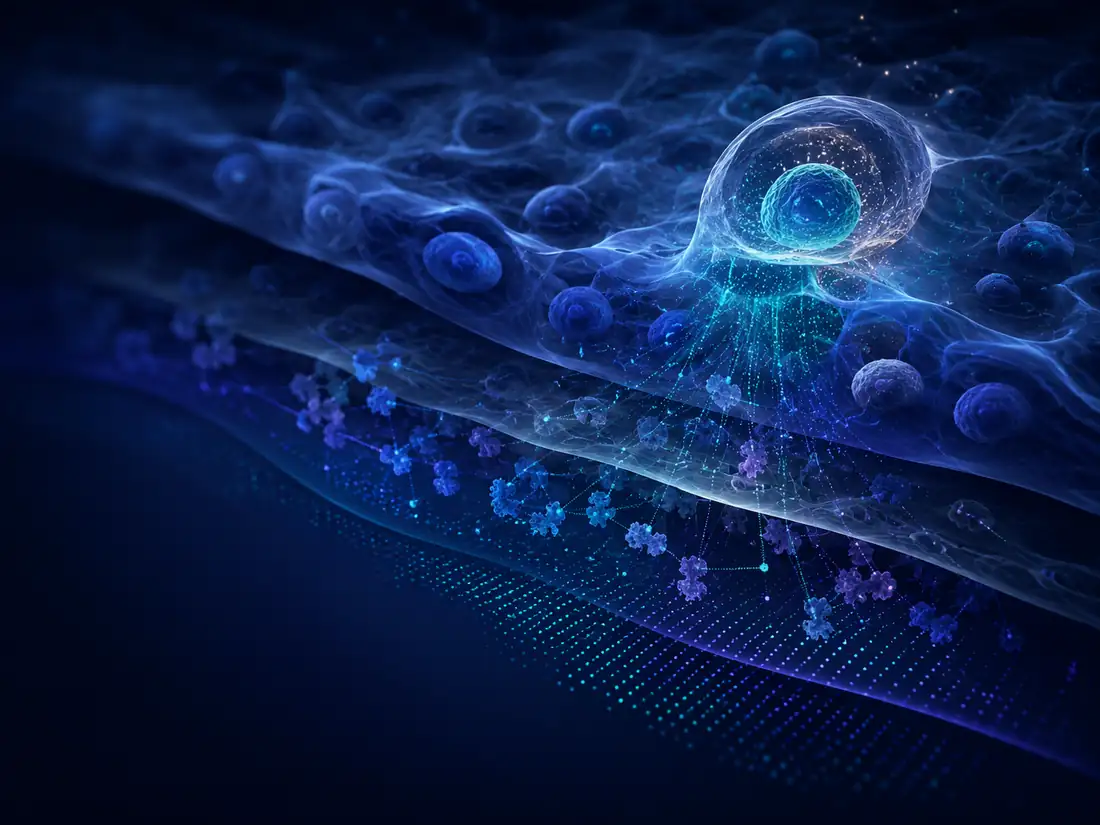
Integrating transcriptomic, epigenomic, proteomic and spatial signals while preserving tissue structure and measurement uncertainty.

Learning cell-state transitions from observation and intervention, separating association from mechanisms that can guide experiments.
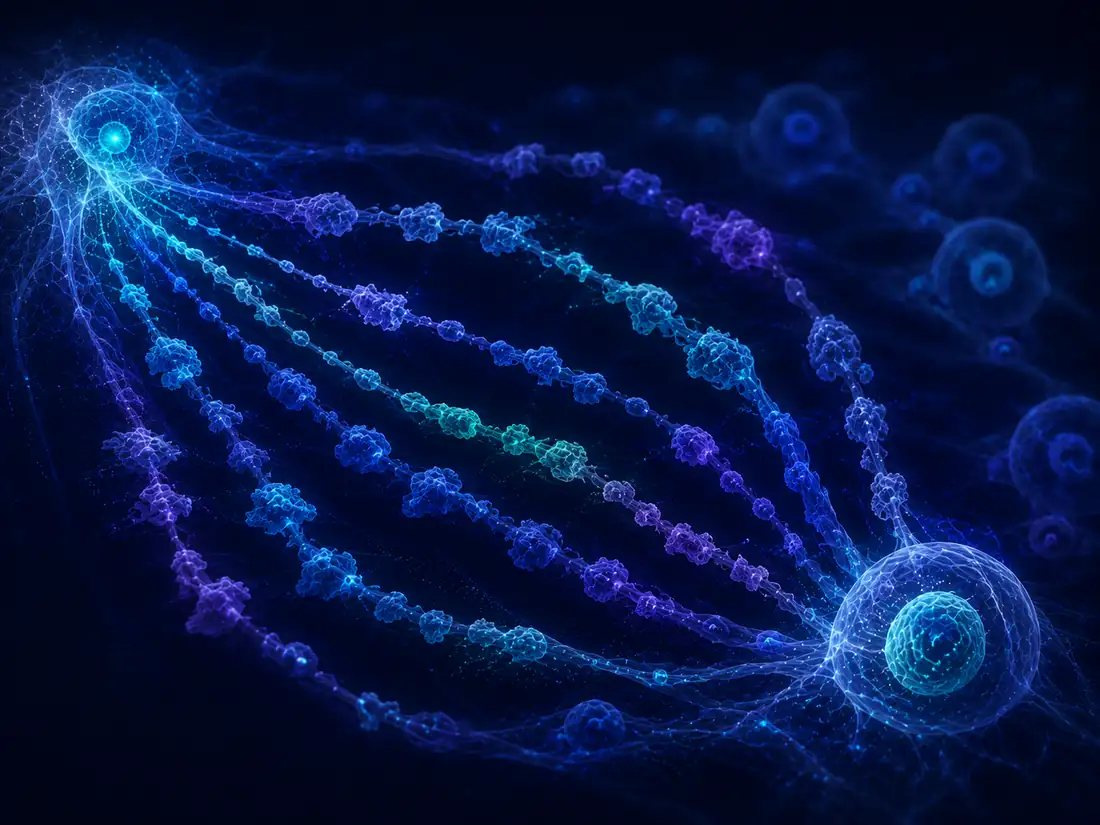
Resolving full-length transcripts, splicing and isoform regulation to move beyond gene-level averages toward finer molecular mechanisms.
Evaluation must include experimental design, known mechanisms and independent evidence—not only algorithmic metrics.
We specify what transfers across datasets, species, tissues, disease contexts and technologies.
Predictions should become understandable, comparable and testable hypotheses with explicit uncertainty.
Data provenance, versions, code, parameters and evaluation protocols should support independent review.